If you are thinking about moving to Colorado Springs, everyday life probably matters just as much as home prices or square footage. You want to know what it feels like to get around, spend time outside, handle the seasons, and settle into a routine that fits your life. This guide will walk you through what daily living looks like in Colorado Springs so you can picture the pace, patterns, and lifestyle more clearly. Let’s dive in.
Colorado Springs Feels Big and Spread Out
Colorado Springs is a large city with a broad footprint. The city covers about 195.4 square miles and has an estimated 2024 population of 493,554, along with 218,794 housing units. In day-to-day life, that often translates to a city that feels less packed together and more neighborhood-based.
Instead of one dense urban core shaping everything, you will likely experience Colorado Springs as a collection of distinct areas connected by major roads and shared amenities. That layout can appeal to buyers who want more breathing room and a residential feel while still living in a major Colorado city.
There is also a visible family presence in the city. Census data shows 21.8% of residents are under 18, which helps shape the rhythm of daily life through school schedules, youth activities, and neighborhood routines.
Outdoor Living Is Part of the Routine
One of the biggest lifestyle draws in Colorado Springs is how easy it is to weave outdoor time into a normal week. At the base of Pikes Peak, the city has a strong parks-and-trails identity that goes well beyond weekend recreation.
According to city information, Colorado Springs has more than 9,000 acres of parkland, 500 acres of trails, and about 1,200 acres of open space. That means parks, walking paths, and outdoor areas are not just special destinations. They are part of the local routine for many residents.
You will also find a wide mix of public amenities. Parks, Recreation and Cultural Services operates three community centers and seven sports complexes, along with places such as Garden of the Gods Park, the Colorado Springs Pioneers Museum, Rock Ledge Ranch, Starsmore Visitor and Nature Center, and Helen Hunt Falls Visitor Center.
Getting Around Usually Means Driving
Colorado Springs sits in a middle ground among Front Range cities when it comes to commuting. The mean travel time to work is 22.7 minutes, which is shorter than Denver’s 24.9 minutes and longer than Fort Collins’ 19.5 minutes.
That number gives you a helpful snapshot, but the city’s layout matters too. Colorado Springs is less dense than Denver and Fort Collins, and because it covers such a large land area, everyday life often feels more car-dependent than in denser city centers.
For many households, that means your daily experience may depend a lot on where you live compared with where you work, shop, or spend free time. A home that looks great on paper can feel very different once you factor in your regular routes and routines.
Public Transit and Regional Connections
If you use transit, Colorado Springs does offer local and regional options. Mountain Metro Transit provides fixed-route bus service within the city.
For trips along the Front Range, CDOT’s Bustang connects Colorado Springs with Denver, Fort Collins, and other destinations along the I-25 corridor. Even so, many residents still organize everyday life around driving because of the city’s size and spread.
The Climate Brings Four Real Seasons
Colorado Springs has a climate that gives you distinct seasonal changes without the heavier snowfall totals seen in some nearby places. NOAA normals for Colorado Springs Municipal Airport place the station at 6,181 feet, which helps explain the city’s mix of sunny days, cool mornings, and shifting weather.
Average monthly temperatures range from a January mean of 31.7°F to a July mean of 72.4°F. Average daily highs reach 86.5°F in July, while average daily lows fall to 18.5°F in January.
For many people, that means you get warm summers without extreme average heat, plus winters that bring real cold and snow. It is the kind of climate where layers, flexible plans, and seasonal home maintenance become part of everyday life.
Snow and Rain Patterns Matter
Colorado Springs averages 15.91 inches of annual precipitation and 32.5 inches of annual snowfall. Snow is not limited to the heart of winter, either. NOAA normals show measurable snowfall in March, April, October, November, and December.
The wettest months are usually July and August. So while winter weather matters, summer afternoon storms can also shape your routines, outdoor plans, and yard care.
Compared with Denver, Colorado Springs is a bit cooler overall and gets less snow on average. Denver’s annual mean temperature is 51.4°F and its annual snowfall is 49.0 inches, which gives relocating buyers a useful point of comparison.
Housing Has a Mostly Suburban Feel
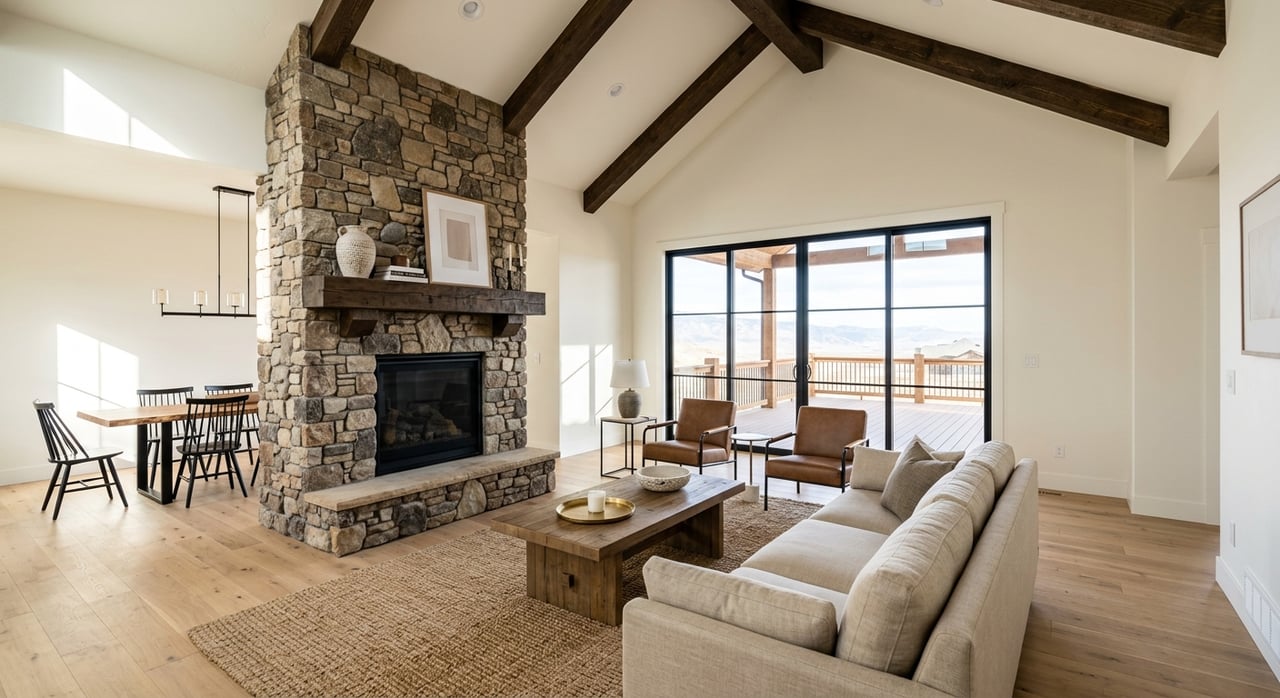
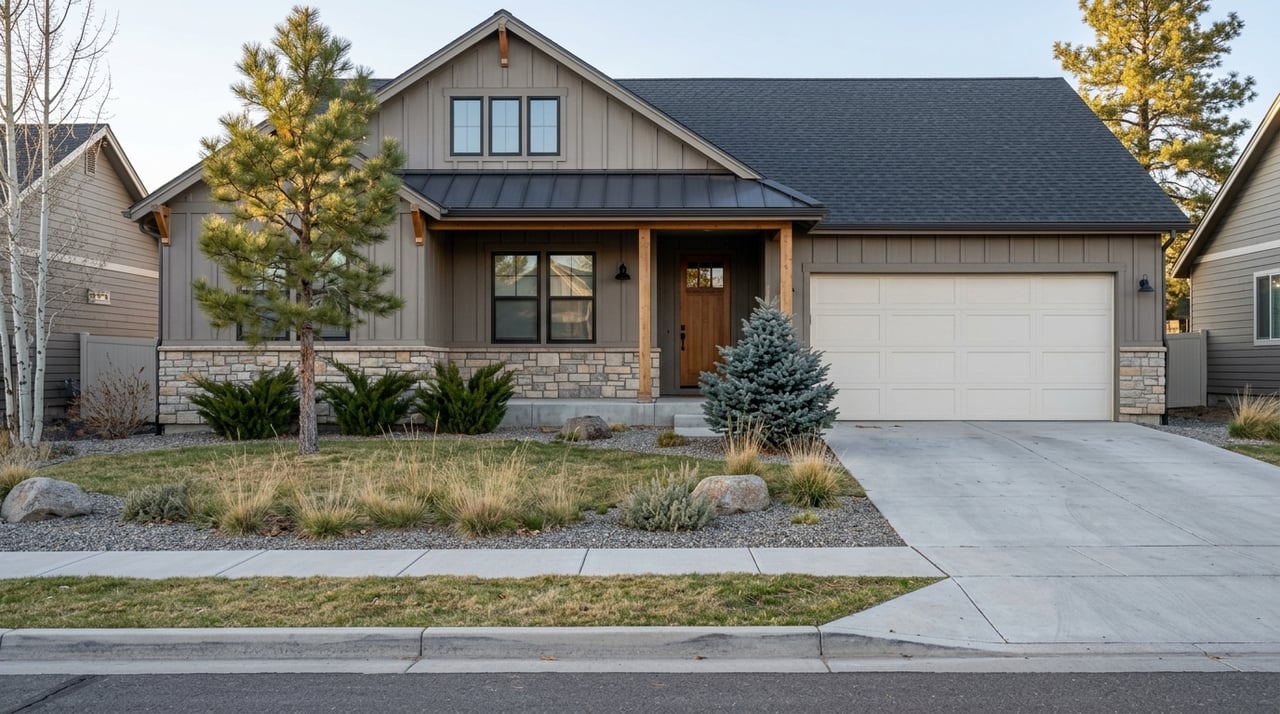
If you are trying to picture the housing landscape, Colorado Springs leans strongly toward detached homes. The regional Housing Needs Assessment shows that 61% of housing is single-family detached.
The rest of the mix includes 8% single-family attached homes, 6% multifamily 2-to-4-unit buildings, 5% multifamily 5-to-9-unit buildings, 18% multifamily 10-plus-unit buildings, and 2% mobile or other housing. In practical terms, that creates a market where detached homes lead the overall feel, while townhomes, apartments, and other options still play an important role.
For buyers, this means Colorado Springs can offer a wide range of living styles depending on your goals. You may be looking for a traditional single-family home, a lower-maintenance townhome, land and acreage outside denser corridors, or a small multi-family opportunity.
Ownership Is a Big Part of the Market
Colorado Springs has an owner-occupied housing rate of 60.9%. That is higher than Denver’s 48.8% and somewhat higher than Fort Collins’ 51.6%.
Combined with the city’s lower density, that supports the sense that Colorado Springs often feels more suburban and more owner-occupied than some other Front Range markets. For many buyers and sellers, that can shape everything from neighborhood upkeep to long-term housing goals.
Everyday Life Depends on Fit
No single description fits every part of Colorado Springs. Daily life can vary depending on whether you want easier regional access, more space, proximity to parks and trails, or a home style that supports your budget and plans.
That is why local context matters so much when you are buying or selling here. A move across town can change your commute, your access to recreation, your housing options, and the overall feel of your week.
If you are relocating, buying your first home, or planning a move-up purchase, it helps to think beyond the listing photos. The right home in Colorado Springs is often the one that supports how you actually want to live every day.
Whether you are looking for a single-family home, a townhome, land, or an investment property in the Pikes Peak region, working with a local guide can make the process much clearer. If you want help matching your lifestyle goals to the right area, connect with Tami Belsey.
FAQs
What is everyday life like in Colorado Springs?
- Everyday life in Colorado Springs often feels neighborhood-based, outdoorsy, and car-oriented, with a mix of suburban housing, access to parks and trails, and a moderate Front Range commute pattern.
How big is Colorado Springs for daily living?
- Colorado Springs covers 195.4 square miles, so it often feels spread out, and your day-to-day routine may depend heavily on where you live in relation to work, shopping, and recreation.
How long is the average commute in Colorado Springs?
- The mean travel time to work in Colorado Springs is 22.7 minutes, which is shorter than Denver’s average and longer than Fort Collins’.
What is the weather like in Colorado Springs year-round?
- Colorado Springs has four distinct seasons, with average monthly temperatures ranging from 31.7°F in January to 72.4°F in July, plus annual averages of 15.91 inches of precipitation and 32.5 inches of snowfall.
What types of homes are common in Colorado Springs?
- Single-family detached homes are the most common housing type in Colorado Springs at 61% of the housing mix, with townhomes, apartments, and other multifamily options making up the rest.
Is Colorado Springs a good fit for buyers who want outdoor access?
- Colorado Springs offers strong outdoor access with more than 9,000 acres of parkland, 500 acres of trails, about 1,200 acres of open space, and a variety of recreation and cultural sites integrated into everyday life.