If you are trying to decide whether Parker matches the way you want to live, you are not alone. Some buyers want easy access to the Denver metro area but do not want to feel like they live in a place with no real center or character. This guide will help you understand what daily life in Parker can look like, from downtown and trails to housing options and commuting, so you can decide whether it fits your Colorado lifestyle. Let’s dive in.
What Parker Feels Like
Parker is a Douglas County suburb about 20 miles southeast of Denver, but it is often described as more than a typical commuter community. The town highlights its unique Western-Victorian downtown, hometown feel, and long-term goal of preserving its small-town character.
That matters if you want a place that feels distinct rather than interchangeable. In Parker, the town center is part of the lifestyle, not just a road you pass through on your way somewhere else.
Downtown Parker and Mainstreet
Downtown Parker, especially the original Mainstreet area, is often presented as the heart of the community. Town planning materials describe it as an area with economic, cultural, and social importance, which helps explain why it continues to shape how Parker feels overall.
You will also find visible ties to local history here. The downtown area includes historic elements, landmark properties, interpretive signs, and a self-guided walking tour that features older structures such as the Schoolhouse and the Ruth Memorial Chapel.
For everyday living, Mainstreet adds a more walkable and active town-center experience. Downtown Parker’s business community describes the area as welcoming and centered on shopping, dining, and services, which can be a plus if you like having a recognizable place to gather, stroll, or meet friends.
Outdoor Access in Parker
If outdoor access is high on your list, Parker offers a lot to work with. Parker Parks and Recreation says it manages more than 398 acres of town-owned and proposed parkland, 14 parks, 1,144 acres of open space, 41 miles of trails, and four recreation facilities.
The trail network is one of Parker’s strongest lifestyle features. The town says its trail system exceeds 60 miles, and the Cherry Creek Regional Trail runs for about eight miles through Parker, giving residents another way to connect with the area outdoors.
Parker also points to walkable, accessible neighborhoods, bike lanes, and multi-use trails. If your ideal week includes neighborhood walks, bike rides, park time, or easy outdoor recreation close to home, that can be an important part of Parker’s appeal.
Community Events and Arts
A town can have great homes and parks, but it still may not feel like the right fit if there is not much going on. Parker stands out here because it has a steady mix of arts programming and recurring community events.
The PACE Center, located in Downtown Parker, hosts performances, classes, gallery exhibits, weddings, and community events. That gives the town a built-in venue for entertainment and cultural activities right in the core area.
Parker’s event calendar also includes recurring gatherings such as Bike to Work Day, Parker Proud Showcase, Parker Fall Fest, Mayor’s Holiday Lighting, and the Hometown Holiday Experience. Downtown Parker also highlights events like Parker Days, the Farmers Market, Brewfest, Trunk or Treat, and the Holiday Market.
If you enjoy places where there are regular reasons to get out and participate, Parker may feel more connected and active than a suburb that is mostly residential.
Housing Options in Parker
One of the most useful things to know about Parker is that it does not offer just one type of housing. According to the town’s 2026 budget, the housing mix ranges from starter homes to luxury homes and includes townhomes, condos, apartments, and mixed-use neighborhoods.
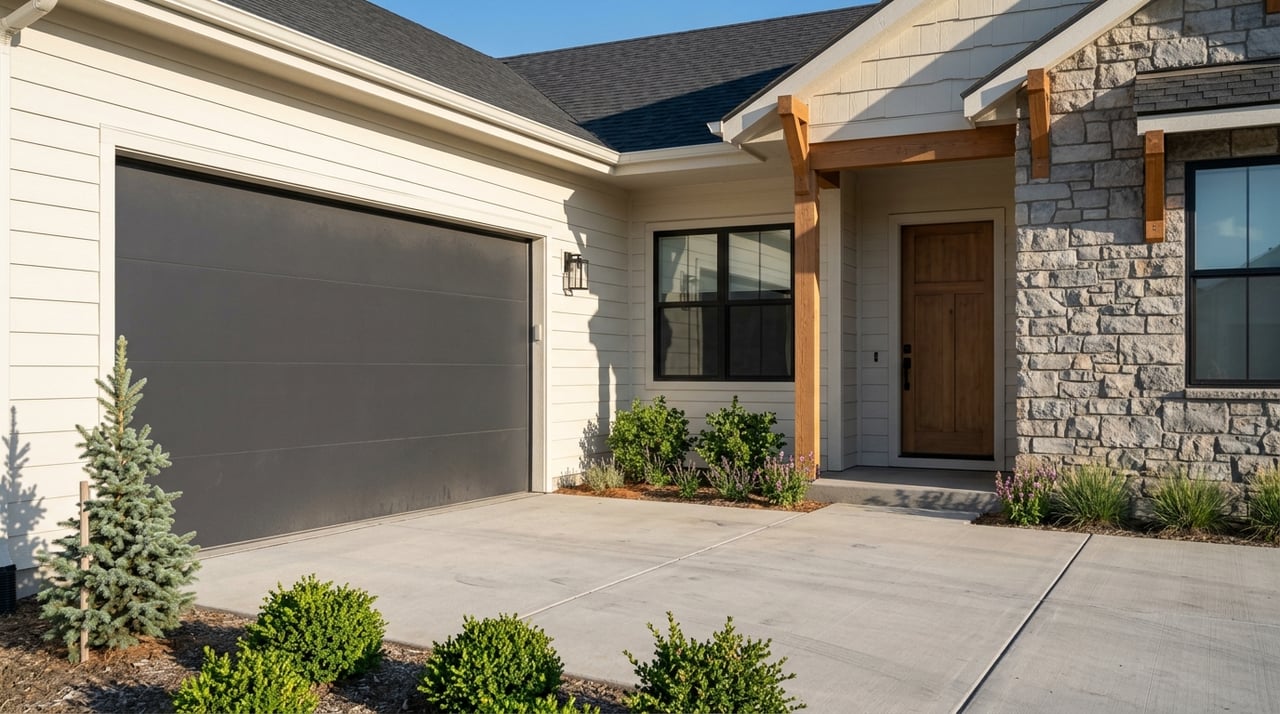
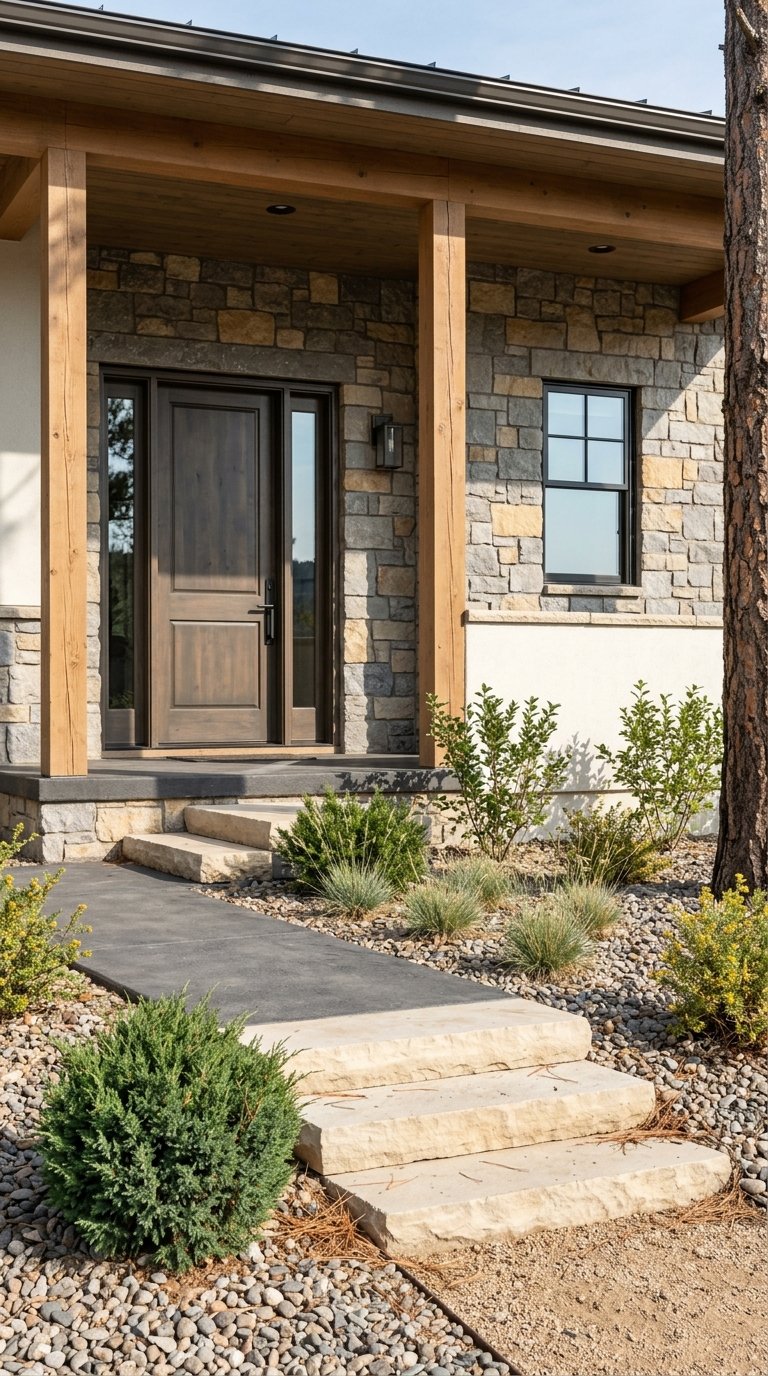
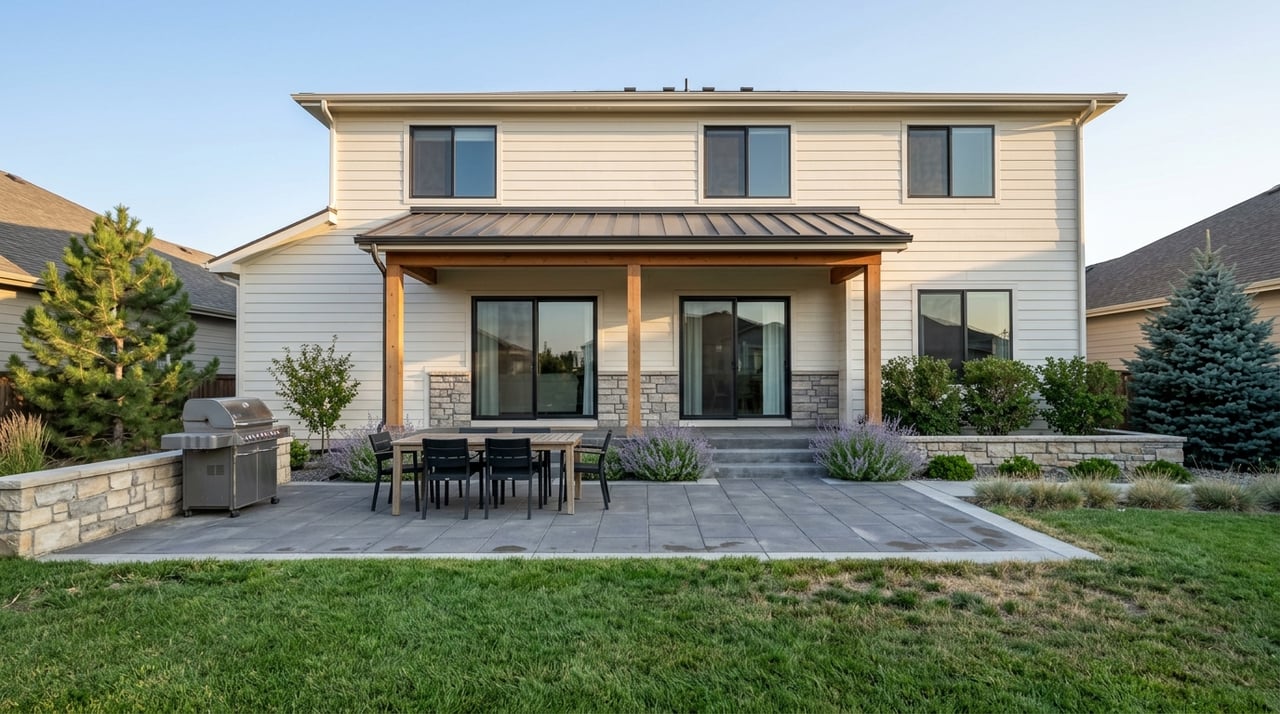
That variety can be helpful whether you are buying your first place, looking for a lower-maintenance home, or searching for more space. The town also notes homes located along golf courses, parks, and open spaces, which adds more lifestyle variety within the market.
In practical terms, Parker includes established single-family neighborhoods, attached-home options, and newer mixed-use areas. So if you are wondering whether Parker is only for one price point or one stage of life, the answer appears to be no.
Growth and Small-Town Character
Parker is still evolving, but the town’s planning documents show a clear effort to balance growth with character. Newer planning and design standards focus on shaping mixed-use and higher-density development while still protecting the small-town feel that the town considers a core priority.
A good example is the My Mainstreet project. The plan calls for mixed commercial and residential uses, public open space, and additional residential spaces near the downtown core.
For buyers, this means Parker is not frozen in time, but it is also not growing without direction. If you like the idea of a town that is adding new options while staying intentional about how it develops, that balance may be appealing.
Commuting and Getting Around
Lifestyle fit is not only about what is near your home. It is also about how easily you can get where you need to go.
Parker’s official materials highlight access to the Denver metro area, I-25, and E-470. The town also points to connections to the Denver Tech Center and downtown Denver, which may matter if your work or routine takes you into those parts of the region.
Transit is another part of the picture. Most of Parker is within RTD, with options that include Route PD to downtown Denver, Route 483 to light rail stations, FlexRide, and the 2026 Link On Demand service connecting select Parker areas with Lone Tree and Highlands Ranch.
If you want suburban living but still need regional access, Parker appears to offer more than a drive-only setup. Your exact experience will depend on where you live and where you need to go, but the transportation network is part of the town’s broader convenience.
School District Context
If school district boundaries are part of your search, Parker offers a fairly simple starting point. The town says that students residing in Parker are within Douglas County School District RE-1.
That does not answer every school-related question, but it does give you a clear public-school district reference point as you narrow your home search.
Who Parker May Fit Best
Based on the town’s official materials, Parker may be a strong match if you want a suburban lifestyle with a recognizable downtown, regular community events, and strong outdoor infrastructure. It may also appeal if you want access to Denver-area job centers while still living in a place with its own identity.
You may especially appreciate Parker if these priorities sound familiar:
- You want parks, trails, and open space to be part of daily life
- You like having a historic town center rather than a purely spread-out suburban layout
- You want housing variety, from attached homes to larger single-family options
- You value community events and arts venues that create activity throughout the year
- You need regional access to Denver, the Denver Tech Center, or nearby employment areas
That said, the right fit always comes back to your routine, budget, commute, and goals. A town can check many boxes on paper, but what matters most is whether it supports the life you actually want to build.
How to Decide if Parker Fits You
If Parker is on your shortlist, try evaluating it through the lens of your real day-to-day life. Think about how often you want to use trails and parks, whether a walkable downtown matters to you, and how much housing flexibility you need now and in the future.
It also helps to think in trade-offs. For example, you may love the idea of a town with a strong center and active event calendar, but your commute patterns, preferred home style, or budget still need to line up.
A good home search is not just about finding a house. It is about finding a location that works for your pace, priorities, and next chapter.
If you are weighing Parker against other Colorado communities, having local guidance can make that comparison much clearer. When you are ready to talk through your goals and what kind of location truly fits, connect with Tami Belsey for practical, personalized guidance.
FAQs
Is Parker, Colorado more than a commuter suburb?
- Yes. Parker’s official materials describe it as a town with a unique Western-Victorian downtown, a hometown feel, and a strong focus on preserving its small-town character.
What outdoor amenities does Parker, Colorado offer?
- Parker Parks and Recreation says the town includes over 398 acres of town-owned and proposed parkland, 14 parks, 1,144 acres of open space, more than 60 miles of trails, and four recreation facilities.
What is Downtown Parker like for daily life?
- Downtown Parker is centered around the Mainstreet area and is described as walkable and welcoming, with shopping, dining, services, historic features, and community gathering spaces.
What types of homes can you find in Parker, Colorado?
- The town describes Parker’s housing as a mix of starter homes, luxury homes, townhomes, condos, apartments, and mixed-use neighborhoods, along with homes near golf courses, parks, and open spaces.
Does Parker, Colorado have transit options?
- Yes. Most of Parker is within RTD, with commuter and local options that include Route PD, Route 483, FlexRide, and the 2026 Link On Demand service for select areas.
Which school district serves Parker, Colorado residents?
- The town says students residing in Parker are within Douglas County School District RE-1.